Pinner gardeners HA5 small garden solutions and pricing
Posted on 27/10/2026
If you live in Pinner or anywhere across HA5, you'll know the same challenge comes up again and again: the garden is lovely in theory, but space is tight, the layout is awkward, and every square metre has to work harder than it looks. That is where Pinner gardeners HA5 small garden solutions and pricing becomes more than a search phrase. It's a very practical way to think about improving a compact outdoor space without wasting money, time, or precious room.
Small gardens can be brilliant, by the way. They can feel calmer, easier to maintain, and surprisingly versatile when the plan is right. But they can also become cluttered quickly if you pick the wrong planting, overbuild the hard landscaping, or underestimate maintenance. In this guide, we'll look at what small-garden solutions actually involve, how pricing usually works, what affects the final quote, and which options tend to give the best value in a local HA5 setting.
To help you go deeper on specific ideas, we'll also reference related topics like vertical growing ideas, container gardening, and ground cover planting. Those approaches are often exactly what make a cramped garden feel intentional rather than cramped.
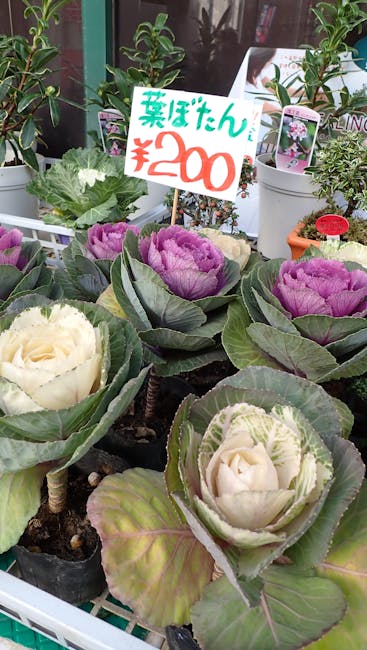
Why Pinner gardeners HA5 small garden solutions and pricing Matters
Small gardens in Pinner often have a few things in common: limited width, overlooked side returns, compact patios, narrow access, and not much tolerance for wasted space. That means the wrong choice has a bigger impact. A bulky shrub or awkward path can dominate the whole plot. A smart choice, though, can make the garden feel twice the size. It really can.
Pricing matters just as much as design. For a small garden, the budget needs to be proportionate. You do not want to pay for a large-scale landscaping approach when the real need is better planting structure, cleaner edges, a modest seating area, or a low-maintenance refresh. In practice, the most useful solutions are often a mixture of design judgement and tidy horticultural work rather than one dramatic transformation.
That's also why local knowledge helps. A gardener familiar with HA5 conditions is likely to think about practical details like shade from neighbouring houses, root competition, awkward access for materials, and how quickly a tiny space can become waterlogged or windy. For example, some gardens benefit from ideas explored in shaded garden planting, while others need smarter structure from privacy hedges or compact ornamental trees.
In short, this topic matters because it helps you avoid two expensive mistakes: overpaying for unnecessary work, or underinvesting in the wrong kind of work. Neither one is ideal, to be fair.
How Pinner gardeners HA5 small garden solutions and pricing Works
The process usually starts with a site review. A gardener looks at the space, listens to what you want, and identifies the key constraints. Is the garden mainly for relaxing, entertaining, pets, children, or easy upkeep? Is there poor soil? Is the boundary insecure? Is the area fully paved, half-finished, or simply neglected? Those details shape the solution far more than the postcode alone.
Then comes the shaping of the plan. Small garden work often includes some combination of the following:
- pruning or reshaping existing shrubs
- clearing overgrowth and weeds
- improving soil and mulch layers
- adding compact planting beds
- using containers, raised planters, or vertical features
- creating a small lawn or artificial focal point
- reworking paths, edges, or a patio area
- adding screening or lightweight privacy
Pricing is then built from labour, materials, disposal, access, and complexity. A simple tidy-up costs very differently from a multi-stage redesign with new planting and hard landscaping. That's obvious enough, but people often miss how much access affects the quote. A garden with tight side access, lots of debris, or limited parking can take longer than the size suggests.
For many homeowners, the best place to start is a clear written quote process like the one explained on the site's pricing and quotes page. It helps you compare apples with apples instead of guessing what is or isn't included.
If you're exploring broader support, a well-rounded gardening services Harrow arrangement can be more efficient than hiring multiple separate trades for small, connected jobs. And when the garden needs regular attention rather than a single intervention, garden maintenance is often the more practical long-term option.
Key Benefits and Practical Advantages
The real value of small garden solutions is not just making things look neater. It's about making the space usable. A garden that looks good but is awkward to move through, or impossible to maintain, won't stay attractive for long. You know that feeling when you step outside with a mug of tea and immediately notice three things that need sorting? That's the moment a good plan pays off.
Here are the main benefits:
- Better use of space: Vertical layers, slimmer planting, and defined zones can make a small area feel purposeful.
- Lower maintenance: Good design reduces weeding, overgrowth, and the constant "must get around to that" feeling.
- Improved privacy: Screens, hedging, and strategic planting can soften overlooking without making the garden feel boxed in.
- More year-round interest: A mix of evergreen structure and seasonal colour keeps the space looking alive.
- Better resale appeal: Even a compact garden can add strong visual value when it feels finished and easy to use.
There's also a comfort benefit that gets overlooked. Small, well-planned gardens tend to feel calmer. Less visual clutter. Fewer dead zones. More coherent flow. If you want that serene feeling, ideas from a Zen-style garden approach can work beautifully in tiny spaces, especially when paired with simple seating and restrained planting.
And if your garden has a practical family dimension, the right solution can support children, pets, or both. A safer layout, softer surfaces, and sturdier planting choices can make daily use easier without turning the space into a theme park. Which, let's face it, nobody wants.
Who This Is For and When It Makes Sense
This kind of service makes sense for homeowners, landlords, and busy residents who want a garden that works harder than it currently does. It's especially useful if your outdoor area is small but not simple. Those are different things. A tiny square of paving may be easy; a tiny garden with old shrubs, patchy borders, awkward shade, and tired furniture is a different beast altogether.
You may be a good fit if you are:
- moving into a property with a neglected or overgrown garden
- trying to make a small patio feel more inviting
- wanting privacy from neighbouring windows
- looking for low-maintenance planting that won't overwhelm the space
- trying to support pollinators and seasonal interest without a lot of upkeep
- needing a tidy, presentable outdoor area for tenants or guests
It also makes sense if you keep putting the job off because you're not sure where to begin. That's common. A lot of small gardens are not "bad" gardens, just unfinished ones. A professional can help identify the few changes that matter most, rather than encouraging a full redesign when a simpler approach would do.
If the space is cluttered by climbers or invasive growth, a specialist clear-out may help first. For example, ivy removal and boundary clearance can be the difference between a dark, pinched corner and a garden that breathes again.
Step-by-Step Guidance
Here's a sensible way to approach a small garden project without getting lost halfway through.
- Define the main purpose. Decide whether the garden should prioritise seating, privacy, children, pets, planting, or low maintenance. If you try to make it do everything equally, it often ends up doing none of it well.
- Measure the usable space. Not just the whole garden. Measure the bits you can actually walk on, garden in, or sit in. Narrow side channels and awkward corners matter more than they seem.
- Identify the constraints. Note shade, wet patches, poor soil, wind exposure, hard access, and any existing features worth keeping.
- Choose one or two strong design moves. In a small garden, less is often more: a vertical feature, a compact tree, a neat path, or a better planting palette can be enough.
- Prioritise structure before decoration. Edges, levels, and boundaries should come first. Accessories and decorative touches are the final layer.
- Set a realistic budget. Keep some room for disposal, materials, and the little surprises that usually turn up in older gardens. They always do.
- Book work in the right order. Clear first, shape second, improve soil third, plant last. That order saves money and avoids unnecessary rework.
A practical example: if you have a narrow, gloomy rear garden in HA5, the job might begin with clearing, light hedge trimming, and soil improvement. Then a gardener could add a few container plants, a small seating corner, and one vertical feature to lift the eye. Simple, but effective.
If you need ideas for that kind of layered setup, garden seating spaces and vertical gardening are both worth exploring.
Expert Tips for Better Results
Small gardens reward discipline. That sounds a bit stern, but it's true. A few good choices beat ten half-good ones every time.
Start with one focal point. This could be a small tree, a bench, a specimen plant, or a neatly framed sitting area. One focal point gives the garden confidence. Without it, everything can blur together.
Use repetition carefully. Repeating the same planter style or plant family can make a tiny garden feel coherent. But repeating too much makes it feel static. You want rhythm, not wallpaper.
Think in layers. Ground cover, mid-height planting, and taller structure all matter. If you only plant at one level, the garden can feel flat. That is where ground cover plants and compact trees do a lot of the heavy lifting.
Choose planting that suits the site, not the catalogue photo. A plant that looks gorgeous in full sun may sulk in shade. A lush climber may need regular management if your boundaries are tight. In a small space, the wrong plant becomes a long-term problem, not a short-term flourish.
Budget for maintenance now, not later. Low-cost solutions can turn expensive if they demand endless upkeep. If you prefer less work, lean into low-maintenance garden ideas and make that part of the plan from day one.
Keep the garden breathable. Tiny plots benefit from open sightlines, simple hard landscaping, and planting that does not crowd paths. You want to be able to step outside and exhale a little. Not battle through leaves.

Common Mistakes to Avoid
People usually don't ruin small gardens by doing one huge thing wrong. It's more often a handful of smaller mistakes that add up.
- Overfilling the space: Too many pots, too many features, too many plant types. The garden starts to feel busy, then cramped.
- Ignoring access: Materials still have to get in and waste still has to get out. That affects labour and timing.
- Choosing oversized plants: A vigorous hedge or large shrub can dominate a small boundary quickly.
- Skipping soil improvement: If the soil is tired, the design will struggle. Plants can't be expected to work miracles.
- Installing hard landscaping too early: Fix the layout first, then choose finishes and features.
- Not thinking about winter: Small gardens can get battered by cold winds and poor drainage. Protection matters.
One more thing: don't assume a neglected garden needs a dramatic overhaul before it's useful. Sometimes the first big win is just making it clean, safe, and walkable. A good reset can reveal possibilities you literally couldn't see before. If that sounds familiar, starting with a neglected garden reset is a sensible place to begin.
And if wind is part of the problem, which in London gardens often it is, wind-resistant design ideas may prevent a lot of future frustration.
Tools, Resources and Recommendations
You do not need a shed full of specialist equipment to improve a small garden, but the right tools save time and make the result tidier. For ongoing care, a few dependable basics matter more than flashy gadgets.
- sharp secateurs for tidy pruning
- a lightweight rake for leaf clearance and soil preparation
- hand trowels and a narrow border spade
- quality compost and mulch
- containers or planters that suit the scale of the garden
- a hose or watering can that actually reaches the problem areas
If your space needs more than a simple tidy-up, it helps to line up the right service mix. Some gardens need help with boundary definition through hedge trimming. Others benefit from a broader refresh that includes patio cleaning, lawn care, or even structural changes via landscaping.
There's also a big difference between a one-off transformation and a regular maintenance rhythm. If the garden is manageable but just not staying neat, a maintenance schedule can protect your investment without turning every month into a project. That's often the quieter, smarter route.
Law, Compliance, Standards, or Best Practice
For small garden work in the UK, most of the practical attention is on safety, access, and responsible disposal rather than anything overly formal. Still, good practice matters. If a gardener is removing waste, using cutting tools, working near shared boundaries, or handling trees and hedges, they should do so carefully and sensibly.
From a customer point of view, a few expectations are worth keeping in mind:
- work should be clearly agreed before it starts
- the scope should be described in plain language
- pricing should explain what is included and what is not
- materials, clearance, and disposal should be discussed upfront
- access and safety issues should be raised early rather than guessed at
Insurance is another sensible point, especially for anything involving tools, ladders, heavy lifting, or tree-related work. If a job touches larger branches, unstable growth, or awkward access, it may overlap with more specialised services. In those cases, a cautious approach is best. It's the kind of thing people often forget until they hear the ladder scrape the paving. Then it suddenly matters.
For broad reassurance, you can review the company's insurance and safety information, along with the health and safety policy and terms and conditions. Those pages matter because they help set expectations clearly, and clarity is always cheaper than confusion.
Options, Methods, or Comparison Table
There are several ways to approach a small garden, and the right one depends on how much change you want, how much maintenance you can tolerate, and how much of the current layout can be kept. Here's a straightforward comparison.
| Approach | Best for | Typical strengths | Watch-outs |
|---|---|---|---|
| Basic tidy-up and maintenance | Gardens that are mostly functional but untidy | Lower cost, quick improvement, easier scheduling | Won't solve layout issues or poor planting structure |
| Planting-led refresh | Small gardens that need softness, colour, and seasonal interest | High visual impact, flexible budget, good for awkward corners | Needs the right plant choices and some follow-up care |
| Light landscaping | Spaces needing new edges, levels, seating, or better flow | Improves usability, adds structure, can feel transformative | Costs rise if access is difficult or materials are extensive |
| Low-maintenance redesign | Busy households and rental properties | Less ongoing work, cleaner presentation, easier upkeep | Must be planned carefully or it can look plain rather than elegant |
| Privacy and screening focus | Overlooked gardens or boundary-heavy plots | Improves comfort and seclusion, useful in urban settings | Needs balance so the garden does not feel closed in |
If you want a feel for the screening side of things, the article on fast-growing hedges for privacy is a useful companion read. For more decorative structure, hedge styling ideas can help keep boundaries neat rather than bulky.
Case Study or Real-World Example
Here's a realistic example from the sort of garden many HA5 homeowners deal with. Imagine a narrow rear garden that had become half storage area, half patchy planting, with a tired old border and not much usable seating. Nothing dramatic. Just a garden that had quietly drifted out of shape.
The first visit focused on clearing debris, cutting back overgrown climbers, and removing self-seeded plants that were swallowing the border. After that, the soil was improved in the planting beds and a simple design was introduced: one small seating area, one slim screening feature, and a few low-maintenance layers for texture. A couple of containers brought colour without crowding the space. It was not flashy. It just worked.
The biggest change was not visual, though that improved fast. It was behavioural. The garden became easy to step into, easy to clean, and easy to enjoy on a weekday evening when the light was going soft and the air had that slightly damp London garden smell. Those little moments matter more than people admit.
That sort of project is also where the right maintenance plan helps. If the family wants seasonal care rather than a one-off reshuffle, then the work can be phased instead of crammed into one expensive burst. That is often kinder to the budget.
For similar situations involving children or family use, designing a child-friendly garden and planning engaging outdoor spaces for kids can offer useful, realistic inspiration.
Practical Checklist
Use this before you request a quote or book work. It helps you stay clear-headed, which is more useful than it sounds.
- Decide the main aim: tidy-up, planting, privacy, seating, low maintenance, or a combination.
- Take a few photos: wide shots, boundary shots, and any problem corners.
- Note the shade and sun: morning, midday, and late afternoon if possible.
- Check access: gates, side alleys, parking, and waste removal routes.
- List the hard limits: budget ceiling, noise concerns, pet access, and timing preferences.
- Ask what is included: labour, materials, disposal, and aftercare.
- Ask for a realistic maintenance view: what will this space need in six weeks, six months, and next winter?
- Choose one priority outcome: do not try to solve every issue in one pass unless the budget is genuinely built for it.
Expert summary: In small gardens, the best results usually come from a clear purpose, a restrained design, and honest pricing. If the plan is simple enough to maintain, it is much more likely to stay looking good.
Get a free quote today and see how much you can save.
Conclusion
Small gardens in Pinner do not need to be large to feel rewarding. They need clarity. A clearer layout, better planting choices, a sensible maintenance plan, and pricing that matches the actual work, not some imagined larger project. That combination makes the whole experience far less stressful and far more satisfying.
If you're weighing up your options, focus on the outcome you'll actually use: a garden that is easier to enjoy on an ordinary Tuesday evening, easier to keep tidy, and more pleasant in every season. That is the real win. Not perfection. Just a space that works beautifully for the way you live.
And if you're still at the "where do I even start?" stage, that's fine too. Start small, start sensible, and build from there. Gardens often reward patience more than ambition, and that's no bad thing.

Leveraging his extensive background in gardening, Dottie creates articles exploring various gardening and landscaping subjects. Her contributions have led to the enjoyment of beautiful garden designs by many.