Rayners Lane gardeners small yards planting and care
Posted on 19/10/2026
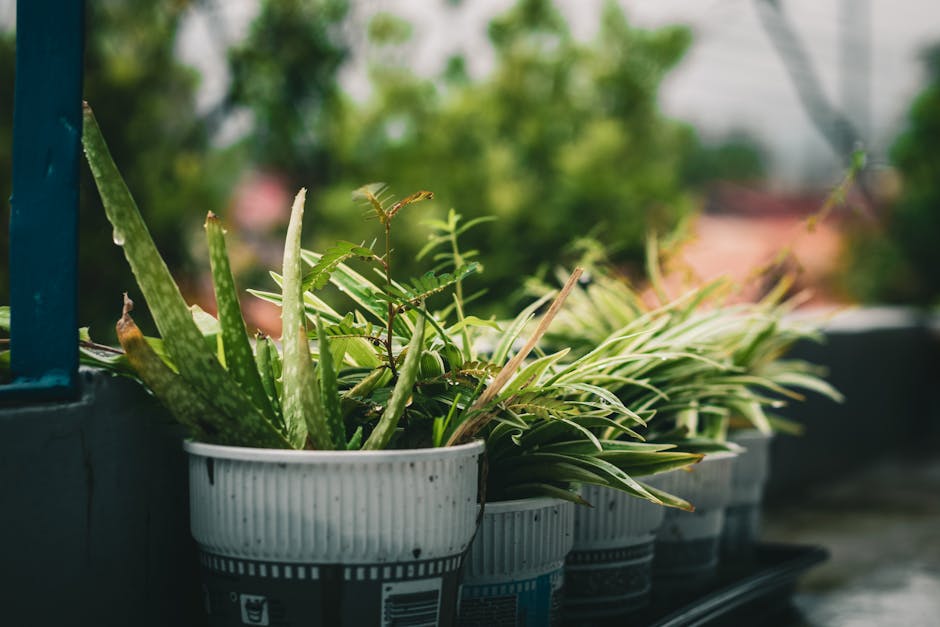
Rayners Lane gardeners small yards planting and care: smart planting ideas for compact outdoor spaces
If your garden feels more like a pocket than a plot, you are not alone. In Rayners Lane, small yards have to work hard: they need to look good, stay manageable, and still give you somewhere to sit, plant, and breathe. That is exactly where Rayners Lane gardeners small yards planting and care becomes valuable. The right approach can turn a cramped outdoor corner into a calm, useful space that feels bigger than it is. Not magic. Just good planning, sensible planting, and regular care.
This guide explains how to make a small yard thrive without clutter, wasted effort, or plants that outgrow their welcome by midsummer. You will find practical design ideas, planting combinations, maintenance routines, common mistakes, and a realistic checklist you can actually use. If your space is shady, windy, narrow, paved, or a bit neglected, there is still plenty you can do.
Why Rayners Lane gardeners small yards planting and care Matters
Small yards ask different questions from larger gardens. You cannot simply add more plants and hope for the best. Every plant has to earn its place. Every path, pot, and shrub affects how the space feels, how easy it is to care for, and whether the garden looks balanced or busy.
That matters in Rayners Lane because many homes have compact outdoor areas, side returns, or modest rear gardens that need to serve more than one purpose. A yard may need to be a drying area, a family sitting spot, a plant display, and a low-maintenance retreat all at once. If the planting is too heavy, the space feels boxed in. If it is too sparse, it can feel unfinished or harsh.
Good small-yard gardening is about proportion. It is also about rhythm. A little height near the boundaries, lower planting where you walk, and a few repeated colours can make the eye move smoothly across the space. That simple visual trick often does more than expensive materials. Truth be told, a well-placed shrub can be worth more than a dozen random pots.
The care side matters just as much. In small gardens, problems show quickly. A thirsty plant goes limp, weeds spread faster, and an overgrown hedge can steal the light before you have time to blink. Regular attention keeps the whole space tidy, healthy, and usable.
For a deeper look at compact planting ideas, it can help to explore ground cover plants that make small gardens feel finished and small ornamental trees that suit tighter outdoor spaces.
How Rayners Lane gardeners small yards planting and care Works
The method is straightforward, even if the details take a bit of judgement. First, you assess the yard as a living layout rather than a blank rectangle. Then you decide what the space needs to do. After that, you choose plants and features that fit those needs without demanding too much room or maintenance.
In practice, this often means using a layered approach:
- Structure at the edges, such as compact shrubs, trained climbers, or a slim hedge.
- Mid-level planting for colour, texture, and seasonal interest.
- Low planting or ground cover to reduce bare soil and soften paths.
- Vertical growing to use fences, walls, trellises, and small supports.
The care routine is built around consistency. Small spaces respond quickly to feeding, watering, pruning, and deadheading. That means light but regular maintenance usually works better than big, infrequent interventions. A Sunday morning with a watering can and secateurs can make a surprising difference, especially in warm spells or after a windy week.
There is also a practical reason to keep planting simple: less crowding means better airflow and easier access. That lowers the risk of disease, improves light levels, and keeps the yard easier to manage. If the garden is already congested, a careful reset can be a sensible first move, which is why many people begin with a neglected garden reset before replanting.
For tight layouts, combine this with ideas from vertical gardening and container gardening. Those two approaches are often the difference between a yard that feels cramped and one that feels cleverly designed.
Key Benefits and Practical Advantages
Small-yard planting done well gives you more than nice visuals. It changes how the garden functions day to day.
- Better use of limited space - every square metre pulls its weight.
- Easier upkeep - compact schemes are usually simpler to weed, water, and prune.
- Improved privacy - selective hedging or screens can soften overlooking windows without overpowering the garden.
- More seasonal interest - with the right mix, you can have structure in winter and colour in summer.
- More comfortable outdoor living - a small yard can still feel like a proper sitting space.
- Healthier plants - fewer clashes for light, space, and nutrients.
There is also an emotional benefit that people sometimes overlook. A small garden that feels under control tends to be used more. You sit out for tea. You open the back door without wincing. You notice the scent of herbs after rain, or the soft movement of leaves in the evening. That connection matters. A lot, actually.
Good planning can also support lower ongoing costs. While no garden is maintenance-free, a compact, well-chosen planting scheme usually needs fewer replacements and less corrective work. For some households, that is the real win.
Who This Is For and When It Makes Sense
This approach suits a wide range of homeowners and tenants, especially if the yard is small, shaded, awkwardly shaped, or already full of hard surfaces. It also suits people who want a tidy outdoor space without spending every weekend maintaining it.
You may benefit from this if you are:
- starting from scratch with a compact garden
- trying to revive a tired or overgrown yard
- wanting privacy without building a solid wall of planting
- looking for low-maintenance ideas that still look considered
- trying to make room for children, pets, or seating
It makes sense especially when the garden has one or more of these constraints:
- limited sunlight
- narrow borders
- wind exposure
- patchy soil
- lots of paving or decking
To be fair, not every yard needs a dramatic redesign. Sometimes the best result comes from a few measured changes: a better planting palette, smarter pot placement, and a proper care routine. For families, dog owners, and people working with awkward layouts, practical changes are usually more valuable than fashionable ones. If that sounds familiar, you may also find low-maintenance garden ideas genuinely useful.
Step-by-Step Guidance
Here is a simple, realistic way to improve a small yard without getting lost in the weeds. Yes, that pun was unavoidable.
- Measure the space properly. Note sunny and shady areas, narrow passages, drains, doors, and anything you must not block.
- Decide on the main purpose. Is the yard for sitting, planting, entertaining, or all three? Be honest. A garden that tries to do everything at once can end up doing nothing well.
- Keep the structural planting restrained. Choose compact shrubs, small trees, or narrow hedging instead of bulky species that swallow light and space.
- Use layers. Put taller items near the boundary, then medium planting, then low ground cover or seasonal pots.
- Improve the soil before planting. Even a small amount of compost or organic matter can help with moisture retention and root health.
- Choose the right container sizes. Overlarge pots can dominate a tiny yard; undersized pots dry out too fast. Aim for balance.
- Install a simple watering routine. Newly planted containers and borders may need more frequent attention, especially in summer.
- Mulch bare soil. It helps with weeds, moisture, and a cleaner finish.
- Prune early and lightly. Small spaces benefit from regular shaping rather than heavy cuts later on.
- Review the garden after a few weeks. Stand at the back door, sit in the yard, and see what feels crowded, dull, or underused. Then adjust.
If your yard has shade, the plant list needs extra care. Evergreen structure, ferns, and shade-tolerant planting can keep the space lively without forcing sun-loving plants to struggle. A thoughtful approach to shaded areas can save a lot of replacement work later.
And if the garden is windy, do not ignore that. Small spaces can turn into wind tunnels. Simple shelter planting, careful positioning, and the right screen can make a very real difference. A bit of cover goes a long way.
Expert Tips for Better Results
Some of the best small-yard results come from small decisions made early. Here are the ones we would prioritise.
- Repeat a few plants instead of using too many varieties. Repetition makes a tiny garden feel calmer and more intentional.
- Prefer small leaves, fine texture, and compact forms. Big, coarse foliage can feel heavy in a tight space.
- Use scent carefully. A little rosemary, thyme, or jasmine near a sitting area can be lovely, but avoid packing too many strong fragrances together.
- Keep one focal point. A bench, feature pot, or small tree gives the eye a place to rest.
- Prune with the future in mind. In a year, will that shrub still fit? A good gardener thinks ahead, sometimes annoyingly so.
- Feed less often but more thoughtfully. Overfeeding can create soft, floppy growth that needs constant cutting back.
One useful habit is to garden from the boundary inward. Start with edges, screens, and height. Then shape the central space around that structure. It is a simple design trick, but it stops the garden from feeling like a jumble of disconnected bits.
Another practical point: choose plants that match your time, not your ambitions. Many people buy a plant for the brochure image and then resent it when it demands constant care. Better to pick a tougher plant and enjoy it. No shame in that at all.
If you need extra help building structure, the ideas in fast-growing hedges for privacy and an aromatic herb garden can work very well in compact settings.

Common Mistakes to Avoid
Small yards are unforgiving of bad choices, but that is also what makes them rewarding. A few sensible corrections can transform the whole feel of the place.
- Overplanting. It is the classic mistake. Too many plants crowd paths, reduce light, and create more maintenance than you bargained for.
- Choosing plants that are too vigorous. Fast growers can be useful, but only if they are kept under control. Otherwise they take over, and quickly.
- Ignoring access. If you cannot reach the back border comfortably, the garden will become awkward to maintain.
- Using too many small pots. A scatter of tiny containers can look cluttered rather than curated.
- Skipping soil improvement. Even the best plant choices struggle in tired, compacted ground.
- Forgetting winter structure. A garden that only works in June is not truly working.
There is a related issue that often catches people out: weeds. In a small garden, weeds are visible almost immediately, especially around paving and borders. Keep on top of them early. If you want a clearer routine, the advice in weed control tips is a helpful place to start.
Also, do not let old ivy or climbers sit unchecked on fences and walls. They may look romantic for a while, then one day the garden feels swallowed. A clear, tidy line is often kinder to a small space than thick, sprawling growth. If that is already an issue, getting on top of ivy can open the garden up again.
Tools, Resources and Recommendations
You do not need a van full of equipment to maintain a small yard. In fact, too many tools just end up in the shed getting dusty. A compact, reliable set is better.
- Hand trowel for planting and pot work
- Bypass secateurs for clean pruning cuts
- Watering can or hose with a gentle setting for precise watering
- Lightweight rake for tidying leaves and mulch
- Weeding tool for borders, paving joints, and awkward corners
- Spade or border fork for soil improvement and replanting
- Gloves and kneeler to make the work less punishing on knees and hands
For planting inspiration, it helps to think in groups rather than single stars. Ground cover can soften blank soil; compact trees can add height; containers can bring colour close to seating areas. The best results usually come from combining these roles rather than expecting one plant to do everything.
If you are short on time, a maintenance plan can be more valuable than a long plant list. This is where practical services and ongoing care can help. A broader maintenance rhythm through garden maintenance support can keep a small yard from sliding backwards. If lawns are part of the space, regular lawn care or occasional lawn mowing can help the whole garden feel cleaner and more spacious.
For hard surfaces, a tidy patio makes a small yard feel much bigger. Even a little moss or grime can make the space look tired. A clean sitting area matters more than people expect. If that is part of your setup, patio cleaning is worth considering.
Law, Compliance, Standards, or Best Practice
For most home gardens, there is no complicated legal process attached to planting and care. Still, sensible best practice matters, especially where hedges, trees, fences, and shared boundaries are involved.
In the UK, it is wise to keep an eye on a few practical points:
- Boundaries and neighbours: think carefully about overhanging branches, hedge spread, and root growth near adjoining property.
- Tree work: larger pruning or removals should be handled carefully, especially if branches are close to buildings or utilities.
- Safety: use safe access methods for pruning and avoid unstable ladders or overreaching from hard surfaces.
- Waste handling: clear green waste promptly so it does not attract pests or become a trip hazard.
Best practice also includes using the right plant in the right place. That sounds obvious, but it is the principle that saves the most time, money, and frustration. A plant that needs sun should not be forced into a deep shade corner just because it was cheap on the day. The same goes for hedges, climbers, and trees that will outgrow their position.
If larger trees are becoming a problem in a small yard, professional input may be sensible. It is often safer and more efficient to get advice before a small issue turns into a major one. The same applies to fencing and boundary structures; when planting and hard landscaping overlap, the sequence matters.
For service standards and trust, it also helps to know where to find company information such as about us, insurance and safety, and health and safety guidance. That is not glamorous, but it matters.
Options, Methods, or Comparison Table
When space is tight, the main choice is usually how you want the garden to work. Here is a practical comparison of the most common methods.
| Method | Best for | Strengths | Trade-offs |
|---|---|---|---|
| Border planting | Adding structure and seasonal colour | Natural look, good for softening edges | Needs regular weeding and pruning |
| Container gardening | Patios, paved yards, renters, and flexible layouts | Easy to reposition, great for small spaces | Can dry out quickly and needs feeding |
| Vertical gardening | Narrow yards and boundary walls | Uses height efficiently, keeps floor space open | Needs secure supports and regular checks |
| Ground cover planting | Shaded or awkward bare areas | Reduces weeds, softens the look of the ground | Some types spread more than expected |
| Compact trees and slim hedging | Privacy and light structure | Adds height without total enclosure | Needs correct species choice and pruning |
In many Rayners Lane gardens, the best answer is a mix of two or three of these methods rather than just one. A patio with containers, a slim border, and one vertical feature often feels far more complete than a yard packed with planting from wall to wall.
Case Study or Real-World Example
Imagine a small rear yard behind a family home: a narrow paved strip, one awkward shaded corner, and a strip of tired soil along the fence. It feels underused, a bit hard, and not especially inviting. Nothing terrible. Just flat.
The first change is structural. A compact ornamental tree goes into the back corner to draw the eye upward. The fence line gets a restrained mix of evergreen planting and one climber on a support, not all at once, just enough to soften the boundary. The soil strip is improved and planted with ground cover so it no longer looks bare or muddy after rain.
Next, the patio gets two medium containers with herbs and a flowering plant. Not ten containers. Two good ones. The seating area is kept open so there is room to move, and a small bench is positioned where it catches morning sun. Suddenly the yard has a reason to be used.
After that, the care routine starts. Light pruning, deadheading, weed removal, and regular watering in dry spells. That is it, really. Within a few weeks the garden feels calmer. Within a season it feels lived-in. The family uses it more because it now feels easy to step into.
That is the real promise of small-yard planting and care: not a dramatic before-and-after fantasy, but a space that quietly becomes more enjoyable every time you open the back door.
Practical Checklist
Use this quick checklist before you plant or rework a small yard.
- Measure the space and note sun, shade, and wind
- Decide the garden's main job: seating, planting, privacy, or family use
- Remove clutter and identify what should stay
- Choose compact plants suited to the light levels
- Limit the number of different plant types
- Plan for height, mid-level planting, and ground level texture
- Use containers where flexibility is useful
- Improve the soil before planting
- Check access for watering and pruning
- Leave enough open space for movement and seating
- Set a simple weekly maintenance routine
- Review the layout after the first growing spell and adjust it
If the yard has become overwhelming, do not try to solve everything in one weekend. Start with one border or one corner. Then another. Small gardens respond well to steady progress, and that is often easier to keep up with in real life.
For a broader reset, new gardener tips can give you confidence, while soil fertility improvements can help the planting settle properly.
Conclusion
Small yards do not need to be treated like a limitation. With the right planning, they become focused, attractive, and easy to enjoy. That is the heart of Rayners Lane gardeners small yards planting and care: making every decision count, keeping the planting proportionate, and staying realistic about maintenance.
Choose plants that suit the light and size of the space. Build structure with restraint. Keep the soil healthy. Prune lightly but often. And leave room for the simple things, because a small garden works best when it feels calm rather than crowded.
Get the basics right, and the garden will start giving back. A bit of shade here, a flower there, the smell of herbs after rain, maybe a seat that suddenly feels like the best spot in the house. That is a lovely thing, really.
Get a free quote today and see how much you can save.

Leveraging his extensive background in gardening, Dottie creates articles exploring various gardening and landscaping subjects. Her contributions have led to the enjoyment of beautiful garden designs by many.